https://www.cdeide.com/the-ultimate-guide-to-sports-injury-rehabilitation-and-exercise-recovery/
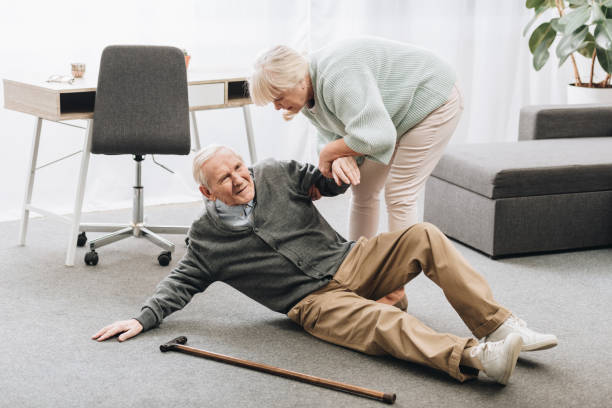
As we age, our muscle strength, joint flexibility, and balance all decline to varying degrees. Falls are therefore one of the most common, yet often underestimated, health risks among older adults. A single fall can leave psychological scars in mild cases, and in severe cases, lead to fractures, bedriddenness, or even impaired daily living abilities.
The good news is that balance and fall prevention can be gradually improved through scientific training . Studies show that incorporating fall prevention exercises into daily life is not only suitable for elderly people undergoing rehabilitation, but also for health prevention in middle age , effectively slowing muscle decline and improving physical stability.
What is effective fall prevention training?
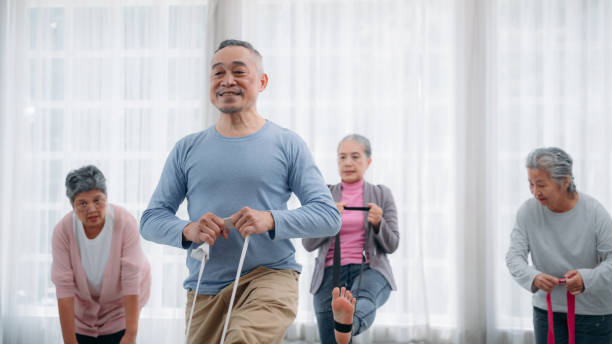
The core of fall prevention training is not “avoiding activity,” but rather enhancing body control . A complete fall prevention training system typically includes:
Balance training : Improves body stability in both static and dynamic states.
Muscle strength strengthening : especially the legs, glutes, and core muscles.
Flexibility training : Improves joint mobility and reduces stiffness
Daily functional motor skills training : Improve the safety of daily activities such as walking, getting up, and holding onto objects.
Training should proceed gradually, from easy to slightly challenging, and then transition to comprehensive exercises that incorporate everyday movements.
Clarification of common misconceptions
| Misconception | the truth |
| Only frail elderly people need training. | Fall prevention training is more effective if started in middle age (around 50 years old). |
| Less movement reduces the risk of falling. | Prolonged inactivity can actually lead to weakened muscles, decreased balance, and an increased risk of falls. |
| One type of exercise is enough. | The best solution is a combination of comprehensive training, environmental optimization, and health management. |
A four-stage fall prevention training plan (including exercises that can be followed directly).
Note : Before training, please ensure there is stable support nearby, such as a chair back or wall; if you have chronic illnesses or osteoporosis, please consult a professional first.
Phase 1: Basic Balance and Muscle Strength (Suitable for beginners)
① Static balance exercises
Stand with your feet shoulder-width apart, holding onto the back of a chair for 30 seconds.
Stand on one leg: First, hold onto a support, then gradually try to let go briefly.
Weight transfer: Slowly and steadily shift your weight from one foot to the other.
② Seated muscle strength training
Sit-stand exercise: Stand up from the chair and sit down, repeat 10–15 times.
Ankle exercises: Point your toes upwards and downwards to promote blood circulation.
Phase Two: Intermediate Dynamic Equilibrium
① Dynamic walking practice
Walking in a straight line: Walk slowly along a straight line with your toes touching your heels.
Stepping practice: Step forward/backward/sideways, keeping your body still.
② Strengthening lower limb strength
Slight squat: Gently squat down 20–30 degrees while holding onto a chair.
Tiptoeing: Hold onto a wall, slowly raise your heels and then lower them.
Phase 3: Advanced Functional Training
① Dual-task training
Talking while walking: Conversing softly while walking slowly.
Walking while holding a light object: such as lifting a light water cup, simulating everyday actions.
② Reaction training (requires family supervision)
Slight shoulder push: Feel your body automatically adjust its balance.
Walking on uneven surfaces: such as grass, non-slip mats
Phase Four: Personalization and Long-Term Commitment
Train 3 times a week
20–40 minutes each time
Gradually increase the difficulty based on your physical condition.
You can also improve your balance in daily life
Home environment optimization
Night lights should be installed in areas where people move around at night.
Place non-slip mats in the bathroom and kitchen
Remove clutter and scattered wires
Healthy lifestyle habits
Sit for 30 seconds after getting up before standing.
Don’t turn around or walk away abruptly.
Wear non-slip shoes and don’t go out in slippers.
Regular eye exams and glasses prescription checks
Nutrition and Supplements
Sufficient protein (such as eggs, fish, and beans)
Vitamin D and calcium help strengthen bones.
Drink plenty of water to avoid dizziness.
Frequently Asked Questions (FAQ)
Q: How long will it take to see improvement?
Usually, consistent use for 4–8 weeks can significantly improve balance and strength. Long-term adherence is necessary to reduce the risk of falls.
Q: Can I train if I have osteoporosis?
Yes, but you should avoid large movements such as jumping, bending over and twisting. It is recommended to do so under the guidance of a professional.
Q: How can I determine if my balance is weak?
Try standing on one leg (you can hold onto a support). If you can’t hold it for 10 seconds , it means you need to strengthen your training.
Summary and Action Recommendations
Fall prevention is not a short-term task, but a long-term, gentle, and continuous physical training and lifestyle adjustment. As long as we start early and use the right methods, we can still maintain stable, safe, and confident body control even as we age.
https://www.cdeide.com/the-ultimate-guide-to-sports-injury-rehabilitation-and-exercise-recovery/