https://www.cdeide.com/the-ultimate-guide-to-sports-injury-rehabilitation-and-exercise-recovery/
Knee joint pain is a problem that many people encounter, affecting people of all ages and levels of activity. Whether it is acute injury or chronic disease (such as arthritis), there are various causes of knee pain, and one easily overlooked factor is weight management.
Overweight can have a significant impact on the health and function of the knee joint, increasing the risk of pain, injury, and potentially leading to long-term joint damage. As a doctor, I often discuss this with patients. Understanding the relationship between weight management and knee joint health not only helps prevent problems, but also helps control existing diseases and improve overall joint health.
The relationship between weight and knee joint pain
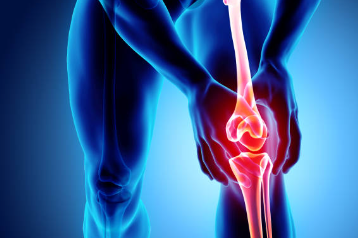
The knee joint bears the weight of the body and plays a role in buffering impact. Every step, every jump, every squat, the knee joints are under tremendous pressure. And when overweight, this pressure will increase exponentially:
For every pound of weight gain, the pressure on the knee joint increases by about 4 pounds, especially when walking or going up and down stairs.
Long term excessive load can accelerate the wear of joint cartilage and increase the risk of degenerative diseases such as osteoarthritis.
How does overweight lead to knee joint injury?
Overweight not only directly increases the burden on the knee joint, but also affects the surrounding tendons, ligaments, and muscles, leading to various injuries, including:
acute injury
Knees with excessive weight-bearing are more prone to ligament tears (such as anterior cruciate ligament (ACL) or medial collateral ligament (MCL) injuries), especially during intense exercise or high-intensity activities.
chronic disease
Chronic diseases such as patellar tendinitis (jumping knee) and iliotibial band syndrome are more common in overweight populations.
Increased difficulty in rehabilitation
People with higher body weight tend to recover slower after injury, as their joints still need to withstand significant pressure during the rehabilitation process, which affects the speed of healing.
How weight management can help alleviate knee joint pain?
Controlling weight is an important measure to reduce knee pressure and relieve pain. Even if you only lose 10 pounds, the pressure on your knees can be reduced by 40 pounds, significantly reducing the risk of injury.
Here are some weight management methods to improve knee joint health:
Healthy diet
Choose a balanced diet rich in protein, whole grains, fruits, and vegetables, reduce the intake of processed foods and sugary drinks to control weight gain.
Increase anti-inflammatory foods (such as deep-sea fish, turmeric, green leafy vegetables, etc.) to help reduce joint inflammation.
regular exercise
Engaging in low impact exercises such as swimming, cycling, walking, etc. can help with weight loss and reduce pressure on the knees.
Strengthen the muscles around the knee joint (such as the quadriceps and hamstring muscles), improve joint stability, and reduce the risk of injury.
Seeking professional guidance

Collaborate with a physical therapist or fitness coach to develop a suitable exercise plan for the knee joint.
Obtain personalized dietary advice through nutritionists to manage weight more scientifically.
Daily joint care
Choose appropriate shoes to provide good support and avoid unnecessary joint pressure.
Strengthen flexibility training, such as yoga and stretching exercises, to improve joint mobility and reduce stiffness.
When do I need to seek medical attention?
If knee pain persists or worsens, it is recommended to seek medical attention promptly for professional evaluation. Neglecting knee joint pain may lead to more severe injuries, and in some cases, physical therapy, injection therapy, or even surgery may be necessary to alleviate the condition.
Knee joint health is closely related to weight management – being overweight can increase the burden on the knee joint, making it more susceptible to damage and causing pain. But through healthy diet, reasonable exercise, professional guidance, and joint care, we can effectively reduce knee pressure, relieve pain, and improve overall quality of life.
Starting today, pay attention to weight management, safeguard knee joint health, and take easier steps for yourself
https://www.cdeide.com/the-ultimate-guide-to-sports-injury-rehabilitation-and-exercise-recovery/