https://www.cdeide.com/mastering-psychological-adjustment-in-sports-rehabilitation-the-ultimate-guide/
In the world of sports, injury is a cruel reality that every sports enthusiast may face. When we encounter injuries, physical pain is only one aspect, and psychological trauma is often more difficult to heal. Sports rehabilitation is not only about restoring physical function, but also a journey of spiritual redemption. Today, let’s explore how to make psychological adjustments in sports rehabilitation and overcome the shadow of pain.
Psychological trauma caused by sports injuries
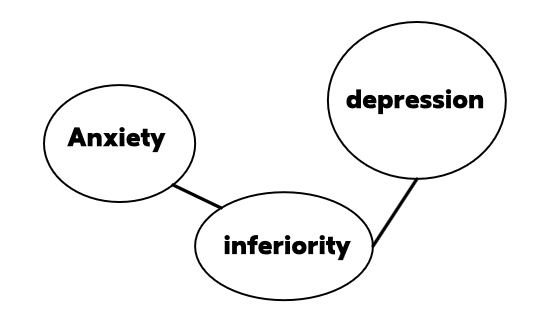
Imagine that you were originally an active participant on the field, enjoying the joy and sense of achievement brought by sports to your heart’s content. Suddenly, an unexpected injury forced you to bid farewell to your beloved sport, and life seemed to lose its color all of a sudden. This huge gap from active to restricted can have a heavy psychological impact.
In the early stages of injury, many people may fall into a state of denial and are unwilling to accept the fact that they have been injured. Always thinking ‘this can’t happen to me’, this denial mentality will hinder us from taking timely and correct rehabilitation measures. As time goes by, anxiety and frustration will gradually surge in the heart in the face of a long recovery process. Worried that we will never be able to recover to our previous level of physical activity, afraid of missing matches and training, these negative emotions will envelop us like dark clouds.
Common Negative Emotion Analysis
anxiety
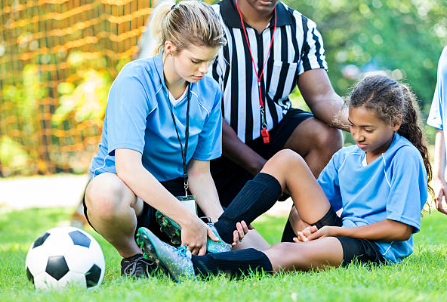
Anxiety is one of the most common emotions in sports rehabilitation. We will worry about slow recovery progress, fear of leaving behind sequelae, and feel uneasy about the uncertainty of the future. This anxiety can affect the quality of our sleep, making it difficult for us to concentrate during rehabilitation training, and may even lead to poor training results.
depressed
Long and tedious rehabilitation training may not show significant progress, which can easily lead to feelings of frustration. Feeling that they have put in a lot of effort but have not received corresponding rewards, they lose confidence in their recovery and even want to give up.
low self-esteem
After being injured, our body’s functions are limited, and compared to other healthy sports enthusiasts, we may feel inferior to others, leading to feelings of inferiority. This inferiority complex can affect our social interactions, gradually distancing us from the sports circle and further increasing our psychological burden.
Methods of psychological adjustment
Accept reality and face it positively
Admitting the fact of one’s injury is the first step towards recovery. Only by accepting the current situation can we calm down and actively seek solutions. Tell yourself that the injury is only temporary, and through scientific rehabilitation training, you will definitely be able to recover. You can see injury as an opportunity for growth, and learn to be strong and patient in this process.
Set reasonable goals
Break down the rehabilitation process into small goals, and give yourself a small reward for completing each goal. For example, if you successfully complete a rehabilitation training today, reward yourself with watching a favorite movie. These small goals and rewards will make us feel progress and a sense of achievement, enhancing our confidence.
Maintain socialization
Don’t isolate yourself just because of injury, keep in touch with friends and teammates. Their encouragement and support will give us great strength. You can also join some sports rehabilitation mutual aid groups, exchange experiences with people who have similar experiences, and encourage each other. In this process, you will find that you are not alone, and everyone is working hard for recovery.
Cultivate hobbies and interests
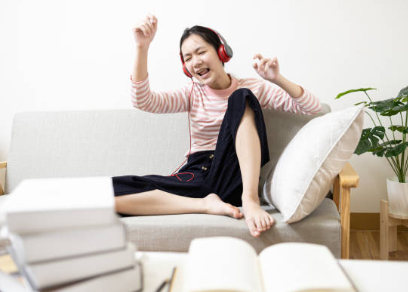
During the rehabilitation period, one can try to cultivate new interests and hobbies to divert attention. For example, reading, painting, music, etc. These hobbies not only enrich our lives, but also allow us to find joy and relieve negative emotions during the rehabilitation process.
Seeking professional assistance
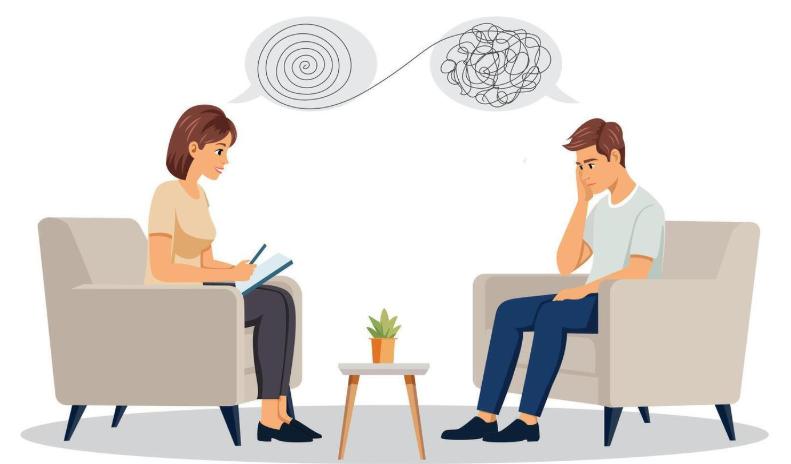
If negative emotions seriously affect daily life and rehabilitation process, do not hesitate to seek the help of professional psychological counselors in a timely manner. They will help us adjust our mentality and overcome psychological difficulties through professional methods.
Sports rehabilitation is a dual challenge of both physical and mental health. As long as we master the correct psychological adjustment methods and maintain a positive and optimistic attitude, we will definitely be able to overcome the haze of pain and embrace our passion for sports again. I hope every friend who is undergoing sports rehabilitation can face it with strength and recover soon!
https://www.cdeide.com/mastering-psychological-adjustment-in-sports-rehabilitation-the-ultimate-guide/