https://www.cdeide.com/the-ultimate-guide-to-sports-injury-rehabilitation-and-exercise-recovery/
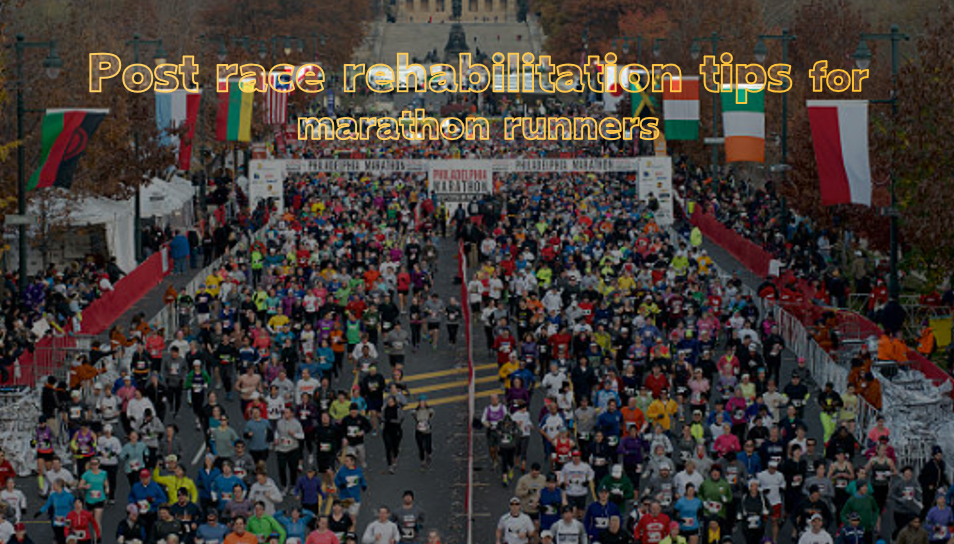
Completing a marathon race is a glorious moment for many athletes, but the physical fatigue and potential injuries that come with it cannot be ignored. Scientific and effective rehabilitation after the competition can not only accelerate physical recovery, but also lay the foundation for the next challenge. Today, we will unveil the post race rehabilitation tips for marathon runners.
Analysis of post match physical wear and tear
Marathon is a high-intensity endurance sport that poses great challenges to all parts of the athlete’s body. Long term running can put immense pressure on the leg muscles, leading to muscle fatigue, strains, and even spasms;the knee joint, ankle joint, and other joints repeatedly bend and extend, bearing impact forces several times their body weight, making them highly susceptible to wear and inflammation; The cardiovascular function is also fully mobilized during the competition, and it takes time to restore normal work rhythm after the competition. Understanding these physical losses is the first step towards recovery.
Body Recovery Tips
Relaxation of leg muscles
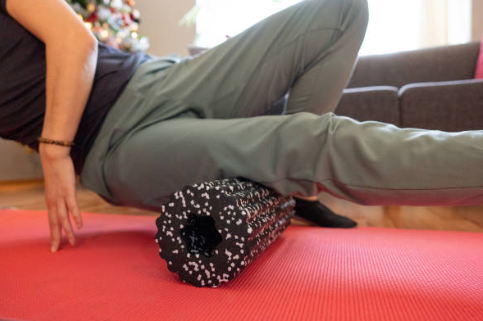
The legs are the most affected part in a marathon. After the competition, players often use foam shaft to relax leg muscles. Place the foam shaft under the thigh or lower leg, roll slowly, find the part with tense muscles, stay for 15-30 seconds, and repeat 3-5 times for each part. This method can effectively relieve muscle tension, promote blood circulation, and alleviate muscle soreness. Like famous marathon runner Eliud Kipchoge, he will also relax his legs with the help of foam shaft after the race.
Joint maintenance
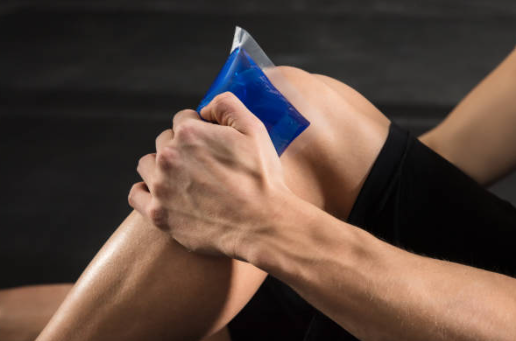
Marathon can cause significant joint damage, and is an effective method to alleviate joint pain and swelling. Apply ice packs or cold towels to the knee, ankle, and other areas for 15-20 minutes each time, 3-4 times a day. Ice compress can constrict blood vessels and reduce inflammatory reactions. At the same time, performing simple joint exercises such as slow ankle rotation and knee flexion and extension can help maintain joint flexibility.
Whole body stretching
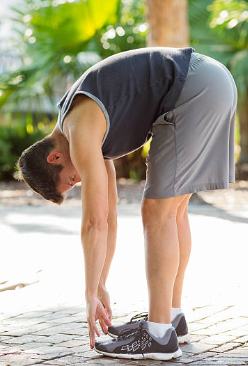
Full body stretching can help relax muscles and restore body flexibility. Contestants will perform exercises such as standing forward, touching their toes with both hands as much as possible, feeling the stretching of the muscles behind their legs and back, and holding for 30-60 seconds;there is also supine leg stretching. After lying down, lift one leg, hold the sole of the foot with your hand, and pull the leg closer to your body. Repeat this process for 30-60 seconds on each side 3-4 times. These stretching exercises can effectively relieve physical fatigue.
Key points of nutritional supplementation
carbohydrate
Marathon races consume a lot of energy, and timely supplementation of carbohydrates after the race can quickly restore physical strength. Whole wheat bread, oatmeal, bananas, and other high-quality sources of carbohydrates. Within 1-2 hours after the competition, consuming an appropriate amount of carbohydrates can help the body replenish glycogen reserves.
protein
Protein is crucial for repairing damaged muscles. Chicken breast, eggs, milk, and other high-quality proteins are abundant, and athletes will consume them reasonably after the competition to help with muscle recovery and growth. It is generally recommended to consume 1.2-1.5 grams of protein per kilogram of body weight.
Moisture and Electrolytes
Sweating heavily during competitions can lead to loss of water and electrolytes, so it is important to replenish them promptly after the competition. In addition to drinking plain water, you can also choose sports drinks containing electrolytes to help maintain the body’s water balance and normal physiological functions.
Psychological regulation strategies
Marathon races are not only physical challenges, but also psychological tests. After the competition, players may experience fatigue, anxiety, and other emotions. You can relax and relieve the pressure caused by the competition by listening to music, chatting with friends, and other ways. At the same time, arrange rest time reasonably, ensure sufficient sleep, and allow the body and mind to fully relax.
The post race rehabilitation of marathon runners is a comprehensive process that includes physical recovery, nutritional supplementation, and psychological adjustment. Following these rehabilitation tips can allow players to enjoy the competition while better protecting their bodies and preparing for the next challenge. If you are a marathon enthusiast, you may want to try these methods, and you are also welcome to share your rehabilitation experience.
https://www.cdeide.com/the-ultimate-guide-to-sports-injury-rehabilitation-and-exercise-recovery/