https://www.cdeide.com/the-ultimate-guide-to-sports-injury-rehabilitation-and-exercise-recovery/
Anterior cruciate ligament (ACL) injury is one of the common serious injuries among athletes and sports enthusiasts. Scientific and effective rehabilitation training is the key to returning to the field after suffering ACL injuries. This article will provide you with a detailed introduction to the rehabilitation training steps after ACL injury and how to safely return to the field.
Division of rehabilitation training stages
Acute phase (0-2 weeks)
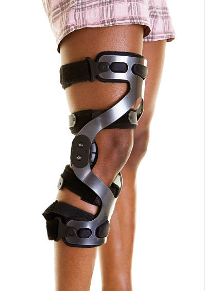
In the first two weeks after injury, the focus is on controlling swelling, pain, and inflammation, and protecting the repaired ligaments. At this stage, it is recommended to wear knee braces to maintain the knee joint in an extended position and reduce movement. At the same time, simple ankle pump exercises can be performed, which promote blood circulation in the lower limbs and prevent thrombosis through the flexion and extension of the ankle joint. Practice for 10-15 minutes each time, 3-4 times a day.
Early recovery period (2-6 weeks)
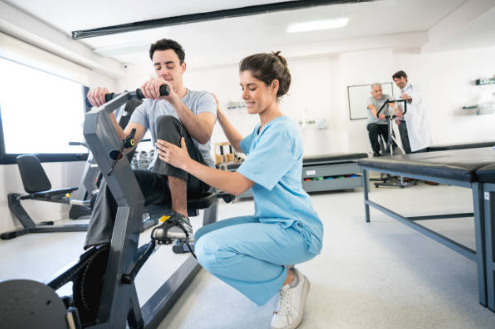
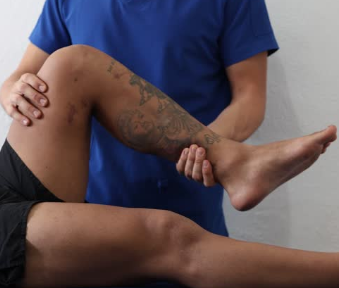
Starting from the second week, the swelling and pain gradually decrease, and more active rehabilitation training can begin. Including passive flexion and extension exercises of the knee joint, assisted by CPM machines (continuous passive motion machines), gradually increasing the range of motion of the knee joint. You can also perform isometric quadriceps contraction exercises, where the thigh muscles are tense but do not produce joint movements. Each set of contractions should be maintained for 5-10 seconds, repeated 10-15 times, 3-4 sets per day.
Mid term rehabilitation period (6-12 weeks)
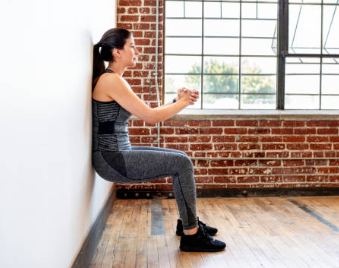
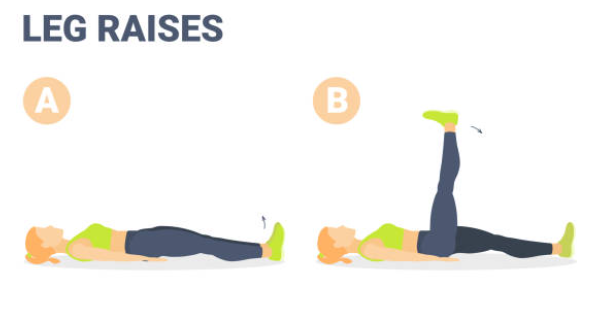
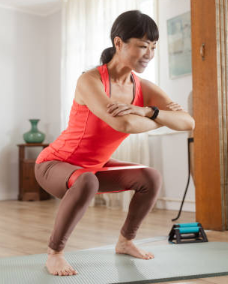
At this stage, continuing to increase the range of motion of the knee joint can be achieved through active flexion and extension exercises, while strengthening lower limb muscle strength training. For example, perform straight leg lifting exercises, lift the lower limbs in a supine position, maintain a 30-45 degree angle from the bed surface, hold for 5-10 seconds, and then lower them. Each group should do 10-15 exercises, 3-4 times a day. You can also do static squatting exercises, standing with your back against the wall, feet shoulder width apart, slowly squatting until your knee joint is at a 90 degree angle, holding for 30-60 seconds, repeating 3-4 sets.
Late rehabilitation period (12 weeks to 6 months)
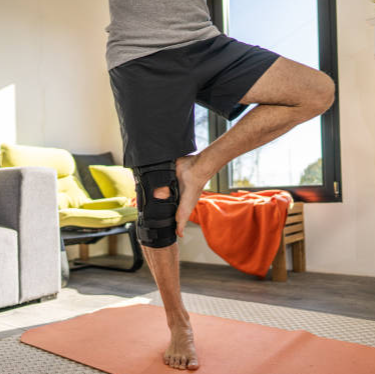
At this stage, the focus is on improving the stability and functionality of the knee joint. Balance training can be performed, such as standing on one leg for 30-60 seconds each time, alternating between left and right legs, 3-4 times per group. You can also engage in low-intensity aerobic exercises such as jogging and skipping rope, gradually increasing the intensity and duration of the exercise.
Enhancement period (6-12 months)
In the later stage of rehabilitation, specialized exercise training should be carried out to simulate movements in competitions, such as emergency stops, directional changes, jumps, etc. At the same time, continue to strengthen muscle strength and joint stability training, using auxiliary equipment such as elastic bands and balance boards for training.
Assessment of returning to the field
After completing the above rehabilitation training stages, one should not rush back to the field. A comprehensive evaluation is required, including stability testing of the knee joint such as Lachman test, axial displacement test, etc; Muscle strength test, comparing the muscle strength of the injured and healthy lower limbs; And functional testing, such as 6-meter sprint, T-test, etc. Only when the test results reach normal levels and doctors and rehabilitation therapists assess that the physical condition is suitable, can one return to the field.
The rehabilitation training after ACL injury is a long and arduous process, but as long as scientific methods are followed and perseverance is maintained, there is a great chance to return to the field and continue to enjoy the joy of sports. During the rehabilitation process, it is important to follow the guidance of professional doctors and rehabilitation therapists to avoid secondary injuries caused by blind training.
https://www.cdeide.com/the-ultimate-guide-to-sports-injury-rehabilitation-and-exercise-recovery/