https://www.cdeide.com/the-ultimate-guide-to-sports-rehabilitation-recovery-performance/
In the field of health and exercise science, exercise rehabilitation occupies an extremely important position. It has undergone a long period of baptism from its inception, gradually developing into the systematic and professional field it is today. Let’s delve into the origin and development of sports rehabilitation together, and appreciate its unique charm and changes in different eras.
Early Sprout: The Prototype of Sports Rehabilitation in Ancient Civilization
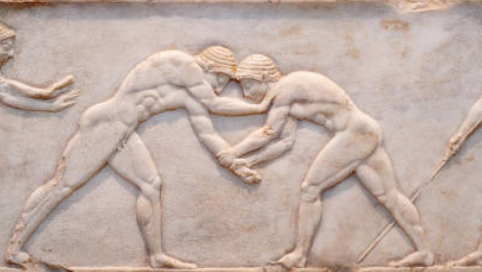
The historical roots of sports rehabilitation can be traced back to ancient civilizations. In ancient Greece, people were already keenly aware of the positive effects of exercise on physical recovery. At that time, once athletes were injured, they would use simple massage, stretching techniques, and specific exercise exercises to promote body recovery. The famous ancient Greek physician Hippocrates highly advocated the use of exercise to maintain physical health and treat diseases, laying the ideological foundation for the early development of sports rehabilitation.
At the same time, medical literature from ancient Egypt also revealed the practice of early exercise rehabilitation. The unearthed papyrus documents the reduction methods for injuries such as fractures and joint dislocations, as well as the subsequent rehabilitation treatment methods. Although these methods are relatively primitive, they mark the beginning of conscious exploration by humans on how to use external intervention to promote the repair of physical injuries, and can be regarded as the early prototype of sports rehabilitation.
From the Middle Ages to the Renaissance: Preliminary Construction of Theoretical Foundations
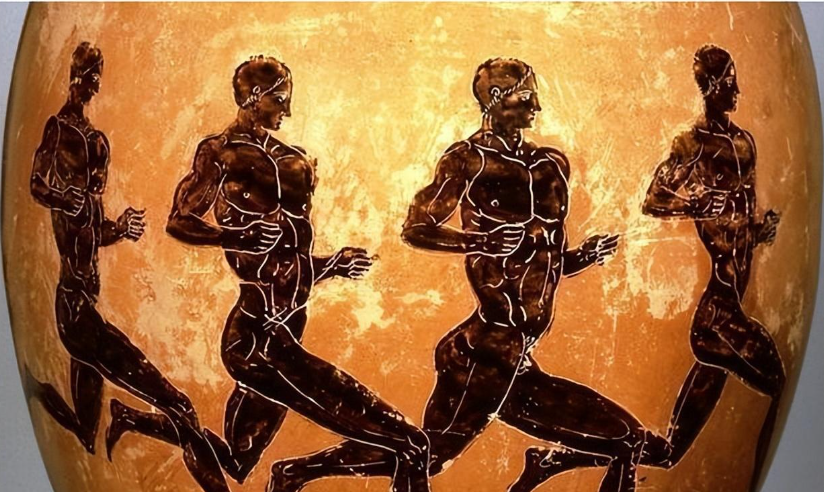
Entering the Middle Ages, although medical development experienced twists and turns, the exploration of the relationship between exercise and physical rehabilitation did not stop. The monks in the monastery occasionally use simple exercise therapy as an auxiliary treatment when taking care of patients. However, the dissemination of medical knowledge was relatively limited during this period, and the development of sports rehabilitation was relatively slow.
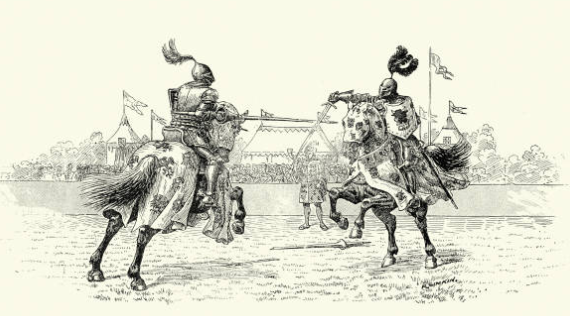
Until the Renaissance, there was a great liberation of knowledge and thought, and significant progress was made in the field of medicine. The flourishing development of disciplines such as anatomy and physiology has provided a more solid theoretical foundation for sports rehabilitation. Doctors are starting to study the impact of exercise on physical rehabilitation from a more scientific perspective, attempting to develop targeted rehabilitation training programs. For example, the precise depiction of human body structure by artists such as Leonardo da Vinci provided intuitive references for doctors to deeply understand the mechanism of human movement, effectively promoting the development of sports rehabilitation theory.
Industrial Revolution and War Catalysis: Rapid Development of Sports Rehabilitation
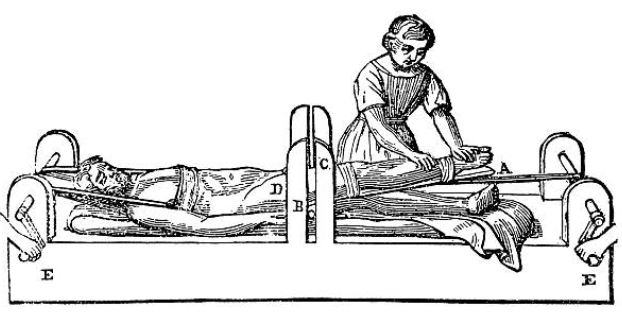
In the 19th century, the Industrial Revolution swept across the globe like a powerful wave, profoundly changing every aspect of society and bringing new opportunities for the development of sports rehabilitation. Against the backdrop of frequent outbreaks of war, a large number of wounded soldiers urgently need rehabilitation treatment, which has become a powerful driving force for the rapid development of sports rehabilitation technology.
Taking the American Civil War as an example, specialized rehabilitation institutions emerged during the war to serve injured soldiers. These institutions use physical therapy, exercise training, and other methods to help the wounded recover their physical function and improve their self-care ability. During this period, sports rehabilitation not only greatly improved in terms of technology, but also gained wider recognition and attention at the social level, gradually moving from the periphery to the mainstream medical field.
20th century: the integration of disciplines and the formation of professional systems

The 20th century can be regarded as a golden period for the development of sports rehabilitation, especially after the two world wars, it ushered in a new situation of vigorous development. On the one hand, medical technology has achieved significant breakthroughs, with the invention of X-rays, antibiotics, and other technologies providing more accurate diagnostic methods and more effective treatment conditions for sports rehabilitation. On the other hand, the deep integration of disciplines such as sports physiology and biomechanics with rehabilitation medicine has made the theory and methods of sports rehabilitation more scientific and perfect.
With the popularity of major sports events such as the Olympics, the demand for sports injury rehabilitation among athletes has sharply increased, further promoting the continuous development and growth of the sports rehabilitation profession. Numerous professional sports rehabilitation institutions have sprung up like mushrooms after rain, and various universities have also offered related professional courses to cultivate professional talents, gradually forming a complete sports rehabilitation professional system.
Modern Development: Diversification and Innovation Driven
Entering modern society, sports rehabilitation has shown a diversified development trend. The significant increase in people’s health awareness has expanded the demand for sports rehabilitation beyond just post injury recovery, to include multiple dimensions such as injury prevention, improving sports performance, and alleviating symptoms of chronic diseases.
In terms of technological innovation, cutting-edge technologies such as virtual reality and intelligent rehabilitation equipment have been widely applied in rehabilitation training. Virtual reality technology can create realistic rehabilitation training scenarios for patients, enhancing the fun and effectiveness of training; Intelligent rehabilitation devices can monitor patients’ rehabilitation data in real time, providing accurate basis for adjusting rehabilitation plans and achieving personalized and precise rehabilitation services.
Sports rehabilitation has evolved from a vague understanding in ancient civilizations, accumulated and transformed over a long period of time, to a professional field that covers multidisciplinary knowledge, advanced technology, and wide applications today. It not only helps countless injured and sick patients regain their health, but also plays an indispensable role in improving the overall health level and promoting the development of sports. Looking ahead to the future, with the continuous advancement of technology and the evolving needs of society, sports rehabilitation is bound to usher in a more brilliant chapter of development.
https://www.cdeide.com/the-ultimate-guide-to-sports-rehabilitation-recovery-performance/