https://www.cdeide.com/the-ultimate-guide-to-sports-rehabilitation-recovery-performance/
In the field of sports and health, sports rehabilitation is gradually emerging and becoming a focus of attention for many people. What exactly is it? Let’s delve deeper and understand the basic concepts of sports rehabilitation in one go.
Definition of Sports Rehabilitation
Sports rehabilitation, in simple terms, is a professional field that integrates knowledge from multiple disciplines such as medicine, kinematics, and rehabilitation. It aims to use various sports related techniques and methods to help individuals with impaired physical function due to injuries, surgeries, or long-term lack of exercise recover to their optimal physical state. Unlike traditional medicine, exercise rehabilitation does not rely solely on medication or surgical treatment, but emphasizes the use of scientific and reasonable exercise training to promote the repair and improvement of bodily functions.
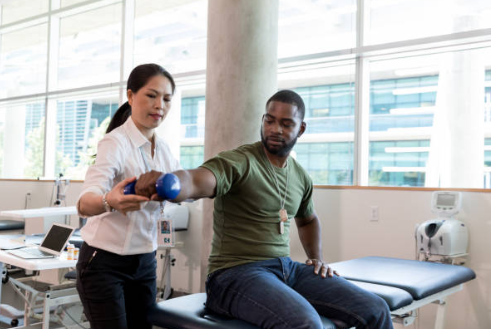
The goal of sports rehabilitation
Restore body function
The primary goal of sports rehabilitation is to restore damaged bodily functions. For example, for patients who have healed after a fracture, exercise rehabilitation can help restore the strength, flexibility, and range of motion of the injured limb, enabling them to use the limb again for daily activities such as walking and grabbing objects. For athletes who suffer sports injuries such as muscle strains and ligament tears, sports rehabilitation can help them regain their best competitive state and restore their athletic ability.
Relieve pain and discomfort
After physical injury or illness, pain and discomfort often accompany it. Sports rehabilitation can effectively alleviate pain symptoms through specific exercise techniques and physical therapy methods, such as massage, stretching, heat therapy, etc. For example, for people with chronic back pain, exercise rehabilitation therapists can develop targeted waist muscle exercise plans to enhance waist muscle strength, reduce pressure on the lumbar intervertebral disc, and thus alleviate pain.
Prevent secondary damage
In addition to treating existing problems, exercise rehabilitation also focuses on preventing secondary injuries. By evaluating an individual’s physical condition and exercise habits, identify potential factors that may cause injury, such as muscle strength imbalance, incorrect exercise posture, etc. Then, through personalized rehabilitation training, these issues can be corrected, enhancing the stability and coordination of the body, and reducing the risk of re injury. For people who frequently participate in sports activities, this is particularly important.
Applicable scenarios for sports rehabilitation
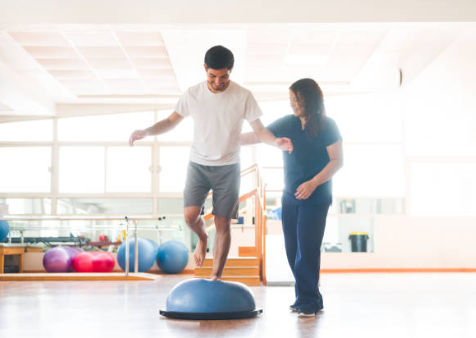
Sports injury rehabilitation
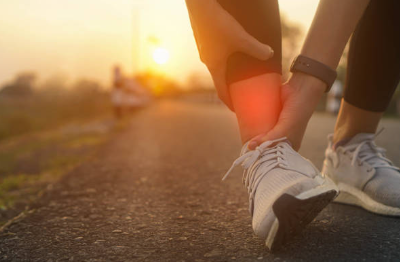
Sports enthusiasts are inevitably prone to various injuries during the exercise process, such as sprains, strains, fractures, etc. Sports rehabilitation plays a crucial role in the recovery process of these injuries. Taking the common ankle sprain among basketball players as an example, after the acute phase of injury, sports rehabilitation therapists will develop rehabilitation plans including joint mobility training, muscle strength training, balance training, etc. based on the severity of the injury, to help athletes recover ankle function as soon as possible and return to the court.
Postoperative rehabilitation
Many surgeries, such as fracture internal fixation surgery, joint replacement surgery, ligament reconstruction surgery, etc., require postoperative rehabilitation training for patients. Exercise rehabilitation can accelerate wound healing, reduce the occurrence of complications, and promote the recovery of physical function. For example, patients who have undergone knee replacement surgery can enhance the strength of the muscles around the knee joint, improve the range of motion of the joint, and improve their quality of life through exercise rehabilitation training.
Chronic disease rehabilitation
For some patients with chronic diseases, such as diabetes, cardiovascular disease, arthritis, etc., exercise rehabilitation is also of great significance. Proper exercise can help diabetes patients control their blood sugar level and enhance their body’s sensitivity to insulin; For patients with cardiovascular disease, exercise rehabilitation can improve heart function and enhance cardiovascular endurance; And arthritis patients can alleviate joint pain and delay joint degeneration through exercise rehabilitation training.
Common methods of exercise rehabilitation
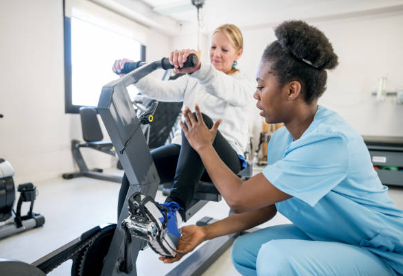
Physical therapy
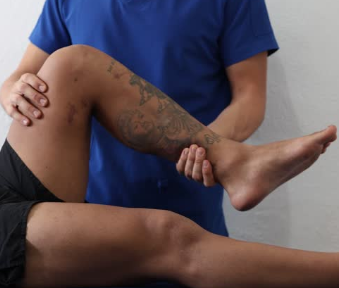
Physical therapy is one of the commonly used methods in sports rehabilitation. It includes hot compress, cold compress, massage, traction, electrical stimulation, ultrasound therapy, etc. Hot compress can promote blood circulation and relieve muscle spasms; Cold compress is often used in the early stages of acute injury to reduce swelling and pain; Massage can relax muscles, improve muscle flexibility and elasticity; Electrical stimulation and ultrasound therapy can promote tissue repair and regeneration.
Sports Training
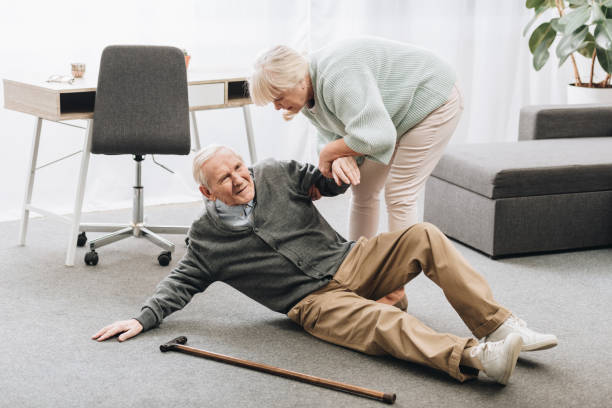
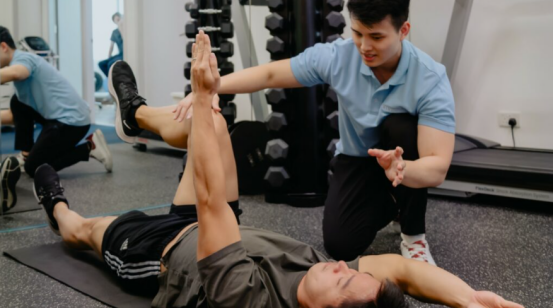
Sports training is the core content of sports rehabilitation. Based on the specific condition of the patient, the rehabilitation therapist will develop personalized exercise plans, including strength training, endurance training, flexibility training, balance training, etc. For example, for patients with muscle atrophy caused by long-term bed rest, strength training is needed to enhance muscle strength; For the elderly, balance training can effectively prevent falls.
Use of auxiliary equipment
In some cases, the use of assistive devices is also a part of exercise rehabilitation. Such as crutches, wheelchairs, orthotics, etc., can help patients maintain body balance during the rehabilitation process, reduce the burden on the injured area, and promote the recovery of bodily functions. For example, in the early stages of rehabilitation, patients with lower limb fractures can use crutches to reduce the pressure on the injured leg and gradually restore their walking ability.
The Importance of Sports Rehabilitation
Sports rehabilitation not only has a positive impact on individual physical health, but also holds significant importance from a broader perspective. For athletes, sports rehabilitation can help them quickly recover and prolong their sports career; For the general population, exercise rehabilitation can improve their quality of life and enable them to better enjoy the fun of exercise and life. At the social level, the popularization of sports rehabilitation can reduce the medical burden and promote the healthy development of society.
In short, sports rehabilitation is a comprehensive professional field that uses scientific methods and means to help people restore physical function, relieve pain, prevent injuries, and improve their quality of life. Both athletes and the general public, understanding the basic concepts of sports rehabilitation, can make wiser choices when facing physical problems, and use the power of sports rehabilitation to regain health and vitality.
https://www.cdeide.com/the-ultimate-guide-to-sports-rehabilitation-recovery-performance/