https://www.cdeide.com/the-ultimate-guide-to-sports-injury-rehabilitation-and-exercise-recovery/
Yoga, as a popular way of physical and mental exercise, can help us enhance our flexibility, improve strength and balance, as well as relieve stress and relax our body and mind. However, like other sports, improper practice can also lead to injuries. Understanding how to prevent yoga injuries and mastering rehabilitation techniques can help us safely and effectively enjoy the benefits of yoga.
Common causes of yoga injuries

Over stretching: Many people are eager for success and excessively stretch their bodies during practice, exceeding the capacity of their muscles and joints. For example, when doing forward bending exercises, forcefully pressing down on the body and ignoring the body’s pain signals can easily cause muscle strains or ligament injuries.
Incorrect posture: Incorrect posture is an important factor in causing yoga injuries. For example, when doing warrior exercises, if the knee is excessively pushed inward or beyond the toe, it will put additional pressure on the knee joint, which may lead to knee joint injury in the long run.
Lack of warm-up and relaxation: Warm up can prepare the body for the upcoming exercise. If you skip this step and directly engage in high-intensity yoga practice, your muscles and joints are prone to injury. Without sufficient relaxation after practice, muscles can remain tense for a long time, which can also increase the risk of injury.
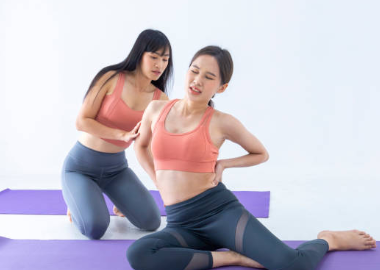
Neglecting physical differences: Everyone’s physical condition and flexibility are different. Blindly imitating others’ difficult movements without considering one’s own actual situation can easily lead to injury. For example, people with poor physical flexibility who try deep twisting or folding poses from the beginning may cause damage to their spine and waist.
Methods to prevent yoga injuries
Adequate warm-up and relaxation: Before formally practicing yoga, spend 5-10 minutes doing simple warm-up exercises such as brisk walking, wrist and ankle movements, hip joint movements, etc., to allow the muscles and joints of various parts of the body to have initial activity. After the exercise, perform 10-15 minutes of relaxation stretching to help restore muscle elasticity and relieve fatigue. For example, after practicing, do some simple full body stretching exercises, such as standing forward and bending, supine leg stretching, etc.
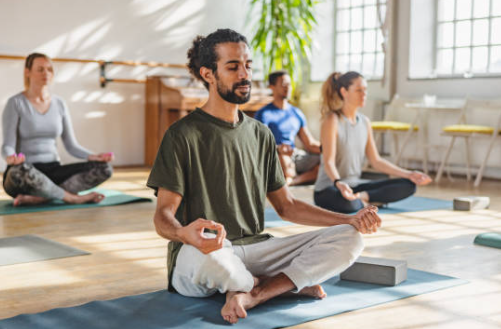
Step by step practice: Don’t rush to challenge high difficulty movements, start with basic postures and gradually increase the difficulty and intensity. During each practice, only do it within your own comfortable range, feeling the changes and feedback in your body. As the practice progresses, the flexibility and strength of the body will gradually improve, and then try more challenging postures. For example, start practicing simple standing balance postures such as mountain and tree postures, and after mastering them proficiently, try more complex balance and twisting postures.
Learn the correct posture: Attend professional yoga classes and follow experienced teachers to learn the correct posture and movement essentials. Teachers can promptly detect and correct your mistakes, avoiding injuries caused by incorrect posture. At the same time, one should observe and think more, understand the principles of body mechanics for each posture, and ensure that the force on each part of the body is correct during practice. For example, when doing a triangle, it is important to ensure that the center of gravity of the body is evenly distributed between the feet, the spine is extended, and the arms and legs are extended in the correct direction.
Listen to body sounds: During the practice process, always pay attention to your body’s feelings. If a certain action makes you feel pain or discomfort, you should stop immediately and not forcefully persist. Pain is a signal sent by the body, reminding you that there may be a problem and that you need to adjust your movements or rest at this time. For example, when doing a back bending posture, if you feel pain in the lower back, it may be due to excessive compression of the lumbar spine. You should adjust the curvature of the back appropriately or change the posture.
Rehabilitation techniques for yoga injuries
Acute phase management: If you suddenly get injured during yoga practice, such as sprains, strains, etc., you should immediately adopt the RICE principle for treatment. Rest, stop the movement of the injured area to avoid further damage; Ice compress, within 24-48 hours after injury, apply ice every 1-2 hours for 15-20 minutes to reduce swelling and pain; Compression bandaging, using elastic bandages to apply appropriate pressure to the injured area to reduce bleeding and swelling; Elevate the affected limb, elevate the injured area above the level of the heart, promote blood return, and reduce swelling.
Rehabilitation training: After the acute phase, gradually start rehabilitation training according to the degree of injury and recovery situation. Rehabilitation training should start with simple movements and gradually increase in difficulty and intensity. For example, if it is a knee sprain, after the acute phase, some simple knee flexion and extension exercises can be performed first, such as sitting on a chair, slowly lifting and lowering the calf, 10-15 times per group, 3-4 groups per day. As the recovery improves, perform more challenging exercises such as single leg standing balance exercises.
Seek professional help: If the injury is severe or has not improved after a period of self recovery, seek the help of a professional doctor or rehabilitation therapist in a timely manner. They can develop personalized rehabilitation plans through professional examinations and evaluations to help you recover faster and better. For example, for severe muscle strains or fractures, professional treatments such as physical therapy and rehabilitation training may be necessary.
Yoga is a very beneficial exercise, but safety always comes first. By understanding the causes of yoga injuries and mastering effective prevention and rehabilitation techniques, we can enjoy the health and happiness brought by yoga while avoiding injuries. If you have experienced injuries or have tips for prevention and rehabilitation during yoga practice, please feel free to share them in the comments section. Let’s progress together and enjoy the charm of yoga more safely.
https://www.cdeide.com/the-ultimate-guide-to-sports-injury-rehabilitation-and-exercise-recovery/