https://www.cdeide.com/the-ultimate-guide-to-sports-injury-rehabilitation-and-exercise-recovery/
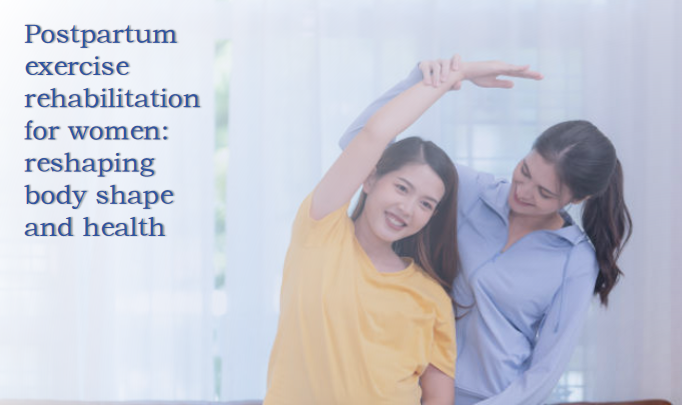
When a new life is born, women embark on one of the most wonderful journeys of their lives – becoming a mother. However, postpartum physical changes often trouble mothers, such as relaxed abdomen, weak pelvic floor muscles, and exhausted body… Don’t worry, scientific and reasonable exercise rehabilitation is the key to reshaping body shape and health. Today, let’s talk to new mothers about postpartum exercise rehabilitation.
Postpartum physical changes revealed
In Europe and America, many new mothers have shared the significant changes in their postpartum bodies. After childbirth, there is a sharp change in hormone levels in the body, and it takes time for the uterus to recover to its pre pregnancy size. The abdominal muscles become relaxed due to stretching during pregnancy, and the pelvic floor muscles are also damaged to varying degrees due to childbirth. These changes not only affect the body shape, but may also bring a series of health problems, such as urinary leakage, lower back pain, etc. Understanding these changes is the first step on our journey towards postpartum exercise rehabilitation.
The Importance of Sports Rehabilitation
Reshaping the body shape
Exercise can help burn excess fat accumulated during pregnancy and tighten relaxed muscles. Taking European and American celebrity mothers as an example, many people quickly regain their pre pregnancy good figure through postpartum exercise. Hollywood actress Jennifer Lopez, after giving birth, insists on regular exercise, which not only restores a flat abdomen, but also makes her body curves more charming. Exercise can target the muscles of the abdomen, buttocks, and legs, allowing mothers to regain their confidence.
Improve health level
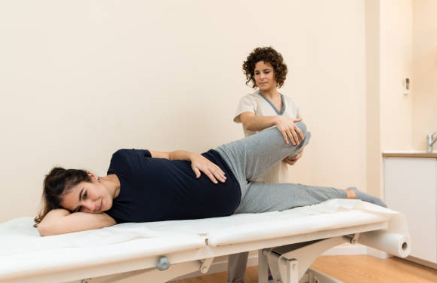
Postpartum physical weakness and weakened immunity, exercise rehabilitation can enhance physical function and improve immunity. Moderate exercise can also promote blood circulation and alleviate common lower back pain after childbirth. The rehabilitation training of pelvic floor muscles is crucial for preventing and improving problems such as urinary leakage, making mothers more comfortable in their daily lives.
Postpartum exercise rehabilitation plan
Early postpartum period (0-6 weeks)
At this stage, the body is still recovering and gentle exercise should be the main focus. In Europe and America, many obstetricians and gynecologists recommend that mothers engage in simple breathing exercises, such as abdominal breathing. Lie flat on the bed, relax the whole body, with the abdomen bulging when inhaling and contracting when exhaling. Practice for 5-10 minutes each time, 3-4 times a day. Simple leg and arm stretching exercises can also be performed to help promote blood circulation.
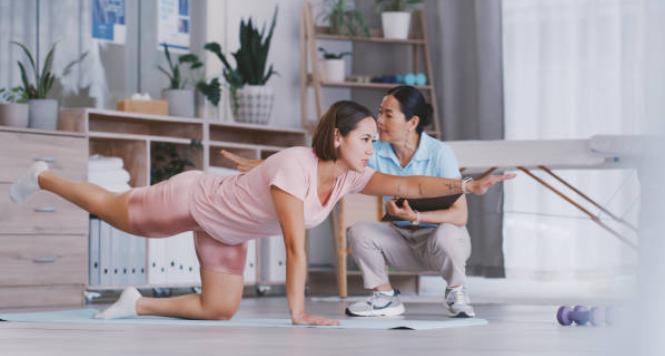
Mid postpartum period (6-12 weeks)
As the body gradually recovers, low-intensity aerobic exercise such as postpartum yoga can be added. A popular postpartum yoga course in Europe and America, with gentle movements and emphasis on training the body’s flexibility and core strength. Posture styles such as cat and bull, and lower dog can effectively stretch the muscles in the back and abdomen, enhancing the flexibility of the body. Perform 2-3 times a week, each time lasting 30-45 minutes.
Postpartum period (after 12 weeks)
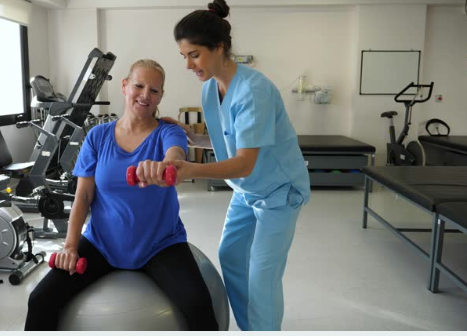
If the physical condition is good, more challenging exercises can be performed. Slow jogging is a good choice as it can effectively burn fat and improve cardiovascular function. Starting from 2-3 times a week, each lasting 15-20 minutes, gradually increase the time and intensity. Strength training can also be conducted, such as using small dumbbells for simple arm strength exercises to enhance upper limb muscle strength.
Sports precautions
Listen to the sound of the body
Postpartum body is more sensitive, and if you feel pain or discomfort during exercise, you should immediately stop exercising. Every mother’s physical recovery is different, so don’t blindly follow others’ exercise intensity and methods.
Warm up and relax well
Warm up before exercise and relaxation after exercise are crucial. Warming up can prepare various parts of the body and reduce the risk of sports injuries;relaxation can alleviate muscle fatigue and promote physical recovery. Simple joint activities, slow walking, etc. are good ways to warm up and relax.
Provide sufficient nutrition and hydration
Exercise requires energy consumption, and postpartum mothers should ensure sufficient nutrient intake and eat more foods rich in protein, vitamins, and minerals. At the same time, pay attention to replenishing water and avoiding dehydration.
Postpartum exercise rehabilitation is a journey that requires patience and persistence. Every mother is amazing and has experienced the miracle of life. Through scientific and rational exercise rehabilitation, not only can one reshape their body shape, but they can also gain health and confidence. I hope every new mother can embark on her own journey of postpartum exercise rehabilitation and enjoy a healthy and beautiful life. If you have experience or insights in postpartum exercise rehabilitation, please feel free to share and exchange them in the comment section.
https://www.cdeide.com/the-ultimate-guide-to-sports-injury-rehabilitation-and-exercise-recovery/