https://www.cdeide.com/the-ultimate-guide-to-sports-rehabilitation-recovery-performance/
Hey, everyone who is passionate about CrossFit! We all know that immersing oneself in the world of CrossFit is challenging one’s physical limits and unleashing one’s strength to the fullest. But high-intensity training inevitably comes with bumps and bumps. Today, let’s talk about CrossFit sports injuries and super practical rehabilitation strategies, so that you can train with peace of mind and return to your _ state!
Common sports injuries in CrossFit
Muscle strain
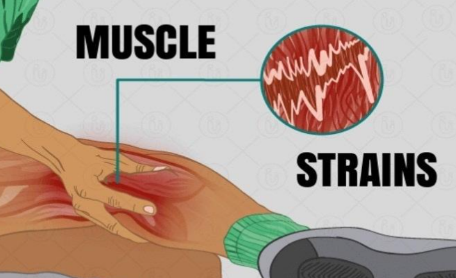
The various rapid explosive movements in CrossFit, such as quick squats and jumps, and powerful hard pulls, can easily put excessive pressure on muscles. If the warm-up is not sufficient and the muscles are not ready yet, they may be stretched in minutes. For example, when doing pull ups, sudden excessive force may strain the biceps. After muscle strain, there will be obvious pain in the injured area, which may be accompanied by swelling and increased pain during movement.
Joint sprain
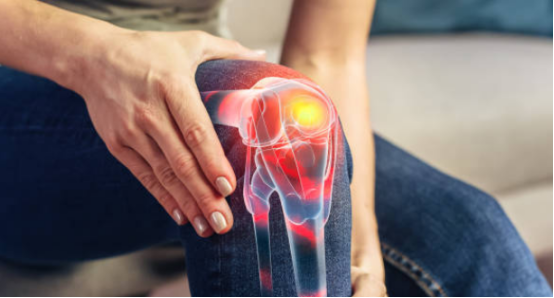
Frequent turning and jumping movements in CrossFit training greatly test the stability of joints. When performing rapid lunge squat transitions, the ankle and knee joints is prone to sprains due to uneven force distribution. After twisting, the joint area will rapidly swell, causing unbearable pain and seriously affecting the normal movement of the joint.
Lower back pain
Many training exercises rely on the strength of the lower back. If the posture is not correct, such as bending over during squats or hard pulls, the lower back muscles and intervertebral discs will bear too much pressure, which can easily lead to lower back pain over time. This kind of pain may be persistent soreness, or it may suddenly intensify during specific movements, seriously affecting training and daily life.
How to prevent CrossFit sports injuries
Warm up thoroughly
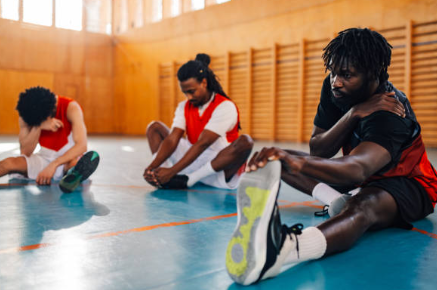
This is the crucial first step in preventing damage! Before training, spend 10-15 minutes warming up your entire body, including dynamic stretching such as high leg lifts and open/close jumps, to warm up your muscles, joints, and cardiovascular system and prepare for the upcoming high-intensity training.
Master the correct movement skills
The correct posture can greatly reduce the risk of injury. Find a professional coach to guide and learn the standard posture for each training movement, such as aligning the knee with the toe direction when squatting deeply and maintaining spinal neutrality when pulling hard. Practice repeatedly until the movements became to the muscle memory, and never neglect movement norms in pursuit of weight.
Reasonably arrange training intensity and frequency
Don’t think about becoming fat in one bite, gradual progress is the key. Reasonably arrange the training intensity and frequency based on one’s physical condition and training level. If the body does not get sufficient rest after several days of high-intensity training, it is easy for injuries to come to knock on the door. Give yourself some recovery time to give your body a chance to repair and become stronger.
CrossFit Sports Injury Rehabilitation Strategy
Acute phase management (RICE principle)
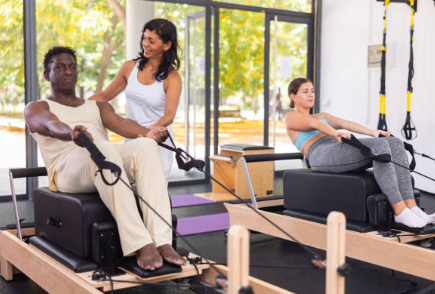
Once injured, the RICE principle should be followed during the acute phase (usually 24-72 hours after injury).
Rest: Immediately stop training to allow the injured area sufficient rest and avoid further injury.
Ice compress: Apply ice every 1-2 hours for 15-20 minutes to reduce swelling and pain. Pay attention to wrapping the ice pack with a towel to avoid frostbite to the skin.
Compression: Use elastic bandages to apply moderate pressure to the injured area to reduce swelling, but do not wrap too tightly to avoid affecting the blood circulation.
Elevation: Raise the injured limb above the level of the heart to promote blood flow and reduce swelling.
rehabilitation training
After the acute phase, rehabilitation training can begin. Rehabilitation training should start with low-intensity and simple movements, gradually increasing in a difficulty and intensity.
Joint range of motion training: Perform gentle joint movements, such as rotating the wrist and ankle, bending and extending the knee and elbow, to help restore the normal range of motion of the joints.
Strength training: Start with using low resistance tools such as elastic bands to train the strength of the injured area, gradually transitioning to using dumbbells, barbells, etc. For example, during the rehabilitation of ankle sprains, resistance bending and extension exercises can be performed on the ankle first.
Balance and coordination training: Through single leg standing, balance board exercises, etc.Restore the body’s balance and coordination, and reduce the risk of re injury.
Seeking professional assistance
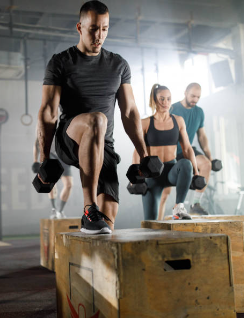
If the injury is severe or there is no significant improvement after a period of self recovery, it is necessary to seek the help of a professional doctor or rehabilitation therapist in a timely manner. They can develop personalized rehabilitation plans through professional examinations and diagnoses to help you recover faster and better.
Training adjustments after rehabilitation
When you feel that your body has basically recovered and you are ready to return to training, don’t take it lightly. Gradually increase the training intensity and weight to give the body a process of adaptation. At the beginning, you can start with some low-intensity training, observe your body’s reaction, and gradually return to normal training level after there is no discomfort. At the same time, continue to maintain the correct posture and adequate warm-up to consolidate the rehabilitation results and prevent further injury.
Although CrossFit is good, safety always comes first. Understanding the causes, prevention methods, and rehabilitation strategies of sports injuries can help you enjoy the joy of training while protecting your body on the fullest extent possible. If you have experienced injuries during training or have any tips for recovery, please feel free to share them in the comments section. Let’s communicate together and become stronger on the road to CrossFit!
https://www.cdeide.com/the-ultimate-guide-to-sports-rehabilitation-recovery-performance/