https://www.cdeide.com/the-ultimate-guide-to-sports-injury-rehabilitation-and-exercise-recovery/
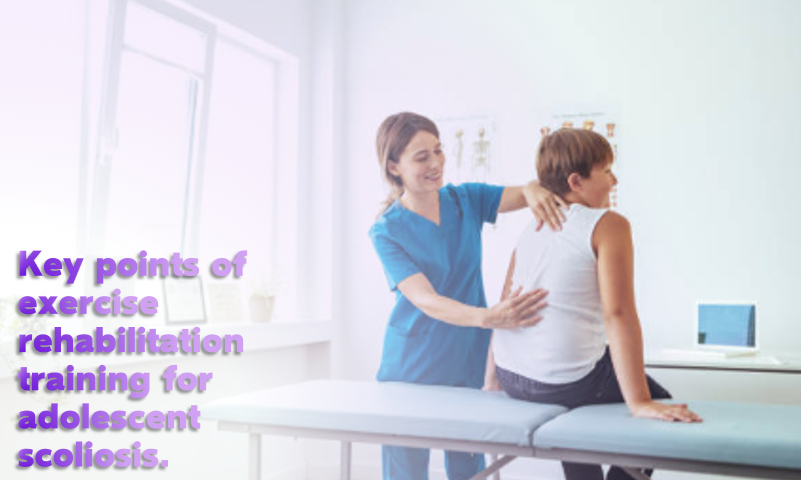
Scoliosis is a health issue that cannot be ignored during the growth process of adolescents. According to statistics, the incidence rate of adolescent scoliosis is on the rise. It not only affects the children’s physical beauty, but also may pose a potential threat to the cardiopulmonary function and nervous system. Scientific and effective exercise rehabilitation training is an important means to improve the condition of adolescent scoliosis. Today, we will delve into the key points of exercise rehabilitation training for adolescent scoliosis.
Understand scoliosis
Scoliosis refers to the curvature of the spine towards one side in the coronal plane, forming a “C” or “S” shape. Adolescence is a critical stage of spinal growth and development, during which scoliosis occurs. If left untreated, the degree of scoliosis may gradually worsen as the body grows. Mild scoliosis may only manifest as appearance abnormalities such as uneven shoulder height and asymmetrical back, while severe scoliosis may lead to chest deformities, affecting the normal development and function of the heart and lungs.
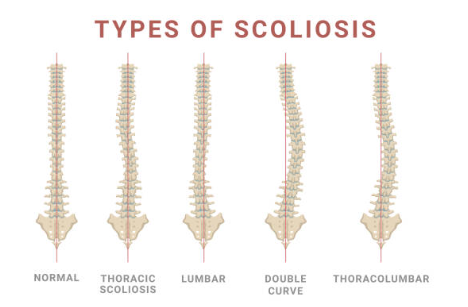
Principles of Sports Rehabilitation Training
Personalized customization
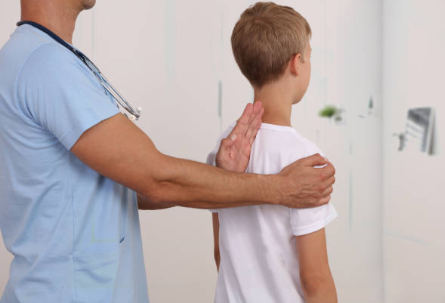
Each adolescent’s scoliosis condition varies, including the angle, position, and type of scoliosis. Therefore, sports rehabilitation training must develop personalized plans based on individual differences. In some professional rehabilitation institutions in Europe and America, a comprehensive assessment of a child’s scoliosis condition is conducted through detailed physical examinations, imaging examinations, etc., and then a training plan is tailored for them by professional rehabilitation therapists.
proceed in an orderly way and step by step
Sports rehabilitation training should not be rushed and follow the principle of gradual progress. Start with simple, low-intensity movements and gradually increase the difficulty and intensity. For example, when conducting core muscle training, start with a simple supine leg lift, gradually transition to more complex movements such as plank support as the child’s strength and coordination improve. This can prevent children from getting injured due to overtraining, while also allowing the body enough time to adapt to changes in training intensity.
Long term persistence
The rehabilitation of scoliosis through exercise is a long-term process that requires the joint persistence of both children and parents. Generally speaking, it takes at least several months or even years of continuous training to achieve significant results. During this process, children may develop a sense of apathy due to dull training or a lack of immediate results. Parents should provide encouragement and support to help children develop the habit of persistently training.
Specific training programs
Core muscle group training
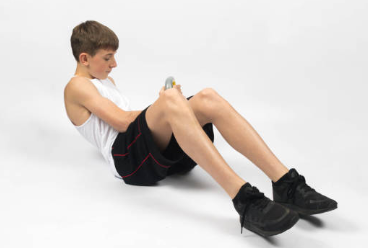
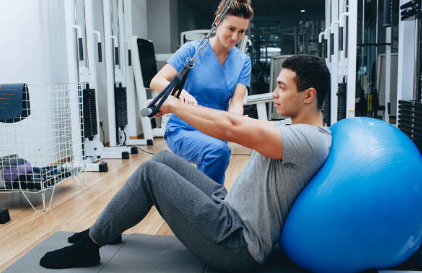
The core muscle group includes muscles in the abdomen, back, pelvic floor, and other areas, which play a crucial role in maintaining the stability of the spine. Like lying down and lifting legs, the child lies flat on the bed with their legs extended and slowly lifted, forming a 90 degree angle with the bed surface, and then slowly lowered, 10-15 times per group, 3-4 groups per day. There is also a tablet support, with both hands on the ground shoulder width apart and both feet on the ground, keeping the body in a straight line, persisting for 30-60 seconds each time, 3-4 sets per day. These exercises can enhance the strength of the core muscle group and provide better support for the spine.
Posture correction training
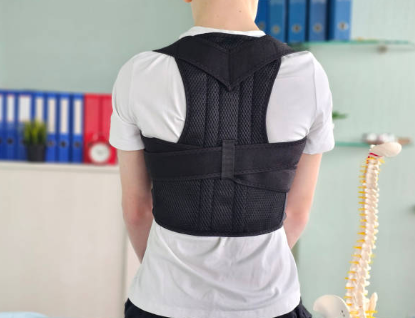
Poor posture is one of the important causes of scoliosis, so posture correction training is crucial. In Europe and America, many schools offer posture education courses to teach students correct sitting, standing, and walking postures. For example, when standing, keep your feet shoulder width apart, straighten your chest and head up, and keep your eyes level ahead; When sitting, keep your back straight and avoid hunching over. Place your feet flat on the ground. At the same time, some auxiliary tools such as back support can help children develop correct posture habits.
Stretching training
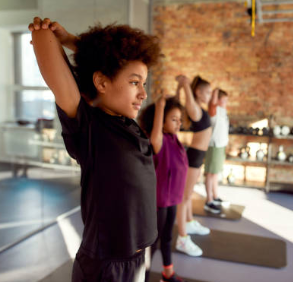
Stretching training can help relax tense muscles and improve the flexibility of the spine. For adolescents with scoliosis, the key is to stretch the muscles on the convex side. For example, in lateral stretching exercises, the child stands with their feet shoulder width apart, their hands extended upwards, and then bends their body towards the convex side to feel the stretching of the muscles on the convex side. Hold for 15-30 seconds each time, and perform 3-4 sets on each side. In addition, some postures in yoga, such as triangular and side angle postures, can effectively stretch the muscles on both sides of the spine.
matters needing attention
Regular review
During exercise rehabilitation training, it is necessary to regularly take the child to the hospital for follow-up examinations and evaluate the improvement of scoliosis through X-rays and other examinations. It is generally recommended to have a re examination every 3-6 months and adjust the exercise rehabilitation training plan based on the results of the re examination.
Avoid overexertion
Although exercise rehabilitation training is important, it is also important to avoid overexertion in children. If a child experiences discomfort symptoms such as pain and fatigue during the training process, the training should be stopped immediately to give the body sufficient rest. At the same time, it is necessary to arrange training time reasonably and not let the training affect the child’s normal learning and life.
psychological support
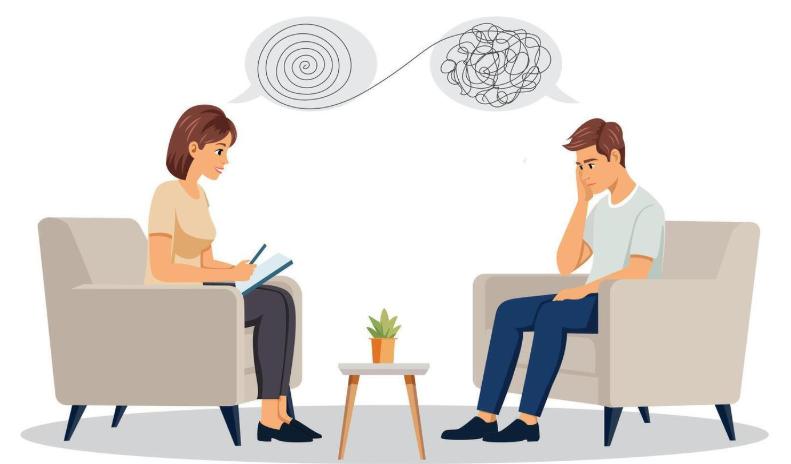
Scoliosis may have certain psychological effects on children, such as inferiority complex, anxiety, etc. Parents and teachers should provide children with sufficient psychological support, encourage them to actively face illnesses, and build confidence in overcoming them. You can communicate more with children, understand their inner thoughts, and help them relieve psychological pressure.
The exercise rehabilitation training for adolescent scoliosis needs to be conducted scientifically and systematically. By following training principles, conducting targeted training programs, and paying attention to relevant matters, the condition of adolescent scoliosis can be effectively improved, allowing children to grow up healthy and happy. If you have any experience or questions about rehabilitation training for adolescent scoliosis, please feel free to share and exchange in the comment section.
https://www.cdeide.com/the-ultimate-guide-to-sports-injury-rehabilitation-and-exercise-recovery/