https://www.cdeide.com/the-ultimate-guide-to-sports-rehabilitation-recovery-performance/
Sports rehabilitation, as a professional field that integrates knowledge from multiple disciplines such as kinematics, medicine, and rehabilitation, is increasingly receiving attention from people. It helps different groups of people recover their physical function and improve their quality of life through scientific and reasonable exercise training and rehabilitation methods. Below, we will take a detailed inventory of the applicable population for sports rehabilitation.
Sports injury population
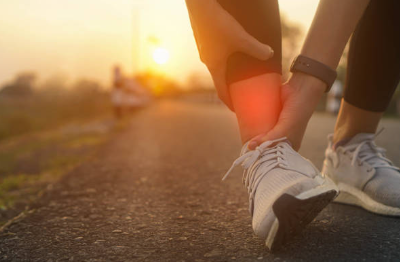
In daily sports, both professional athletes and ordinary sports enthusiasts are inevitably affected by sports injuries. For example, common muscle strains can be caused when a muscle is suddenly subjected to strong contractions or stretches. Running enthusiasts may experience calf muscle strain due to excessive fatigue after long-distance running. There is also ligament sprain. In competitive sports such as basketball and football, when athletes quickly change direction or make sudden stops, the ligaments in the knee and ankle joints are prone to excessive twisting and sprains. For these individuals with sports injuries, sports rehabilitation is crucial. Through professional rehabilitation training, such as progressive muscle strength training, joint mobility training, etc., it can promote blood circulation in the injured area, accelerate tissue repair, reduce pain and swelling, help them recover their exercise ability as soon as possible, and return to the sports field.

Chronic disease patients
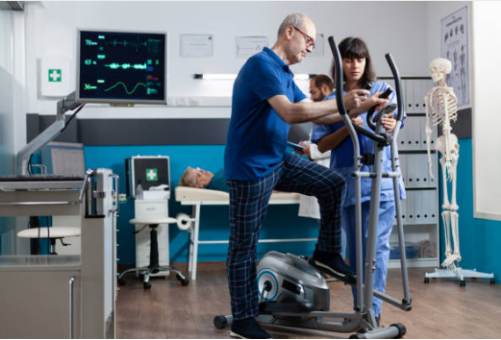
Many patients with chronic diseases can also benefit greatly from exercise rehabilitation. Taking diabetes patients as an example, proper exercise rehabilitation training can improve the body’s sensitivity to insulin and help better control blood sugar levels. Aerobic exercises such as walking, jogging, and Tai Chi can enhance the body’s metabolic function and promote the utilization and consumption of sugar. For patients with cardiovascular diseases, such as coronary heart disease, exercise rehabilitation can improve heart function and enhance cardiovascular endurance after the condition stabilizes. Professional rehabilitation therapists will develop personalized exercise plans based on the patient’s specific condition, including exercise intensity, frequency, and duration, gradually enhancing the patient’s cardiovascular function and reducing the risk of cardiovascular disease recurrence.
Postoperative rehabilitation population
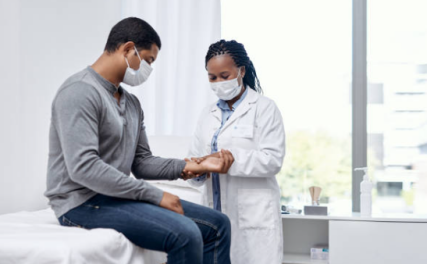
Surgery can cause a certain degree of trauma to the body, and postoperative rehabilitation plays a crucial role in the recovery of patients’ physical functions. For example, patients who have undergone fracture surgery need to recover joint mobility and muscle strength through exercise rehabilitation after the initial healing of the fracture site. Rehabilitation training starts with simple joint activities, gradually increasing the load and performing muscle contraction and relaxation exercises to prevent muscle atrophy, promote bone healing, and help patients restore normal limb function. For example, for patients after joint replacement surgery, exercise rehabilitation can help them adapt to new joints faster, improve joint stability and flexibility, reduce postoperative complications, and enhance their ability to live independently.
old people
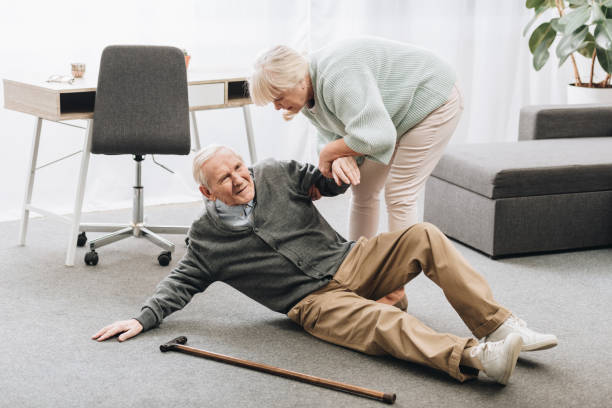
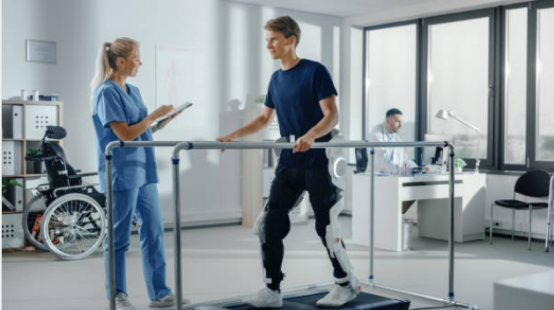
As people age, their physical functions gradually decline, muscle mass decreases, joint flexibility decreases, and they are prone to unexpected situations such as falls. Sports rehabilitation can improve these issues in a targeted manner. By conducting balance training, such as standing on one foot or standing with closed eyes, elderly people can enhance their balance ability and reduce the risk of falls. Muscle strength training, such as using elastic bands for simple limb strength exercises, can increase muscle mass, improve muscle strength, and maintain normal bodily functions. In addition, moderate aerobic exercise such as slow walking, square dancing, etc. can promote the cardiovascular function of the elderly, improve blood circulation, and enhance their quality of life.
special populations
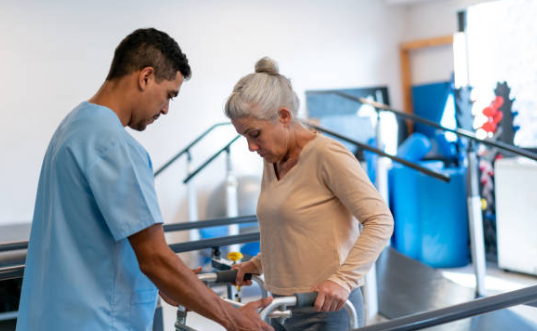
Some special groups, such as people with disabilities and postpartum women, are also suitable for sports rehabilitation. For people with disabilities, sports rehabilitation can help them maximize their residual bodily functions, improve their self-care abilities, and enhance their social participation. For example, patients with spinal cord injuries can engage in some exercises within their abilities through rehabilitation training, enhance muscle strength, and improve body coordination. Postpartum women undergo a series of changes in their bodies after giving birth, such as pelvic floor muscle relaxation. Pelvic floor muscle training in exercise rehabilitation, such as Kegel exercises, can help postpartum women restore pelvic floor muscle function, prevent and improve urinary incontinence, and promote overall physical recovery.
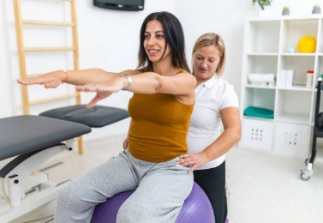
Sports rehabilitation is applicable to a wide range of people, including those whose physical functions are impaired or need to be improved due to various reasons. Through scientific exercise rehabilitation interventions, different populations have the opportunity to improve their physical condition and regain health and vitality.
https://www.cdeide.com/the-ultimate-guide-to-sports-rehabilitation-recovery-performance/