https://www.cdeide.com/the-ultimate-guide-to-sports-injury-rehabilitation-and-exercise-recovery/
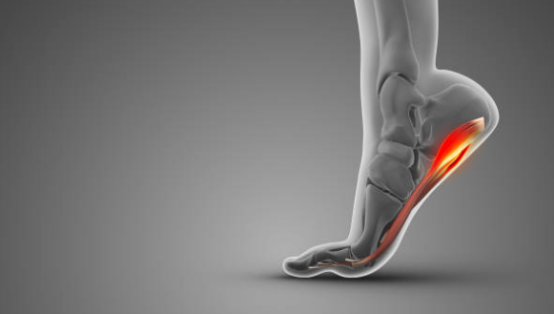
Plantar fasciitis often causes pain in the heel or near the heel of the foot, especially when walking in the morning or after a long rest, greatly affecting daily activities. However, with scientific treatment, recovery is not difficult. Below we will introduce specific treatment methods for you.
Conservative treatment: basic and critical
Rest and reduce burden
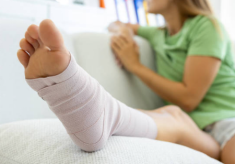
After diagnosis, foot weight should be reduced. Avoid standing for long periods of time, walking long distances on hard surfaces, pausing high-intensity exercises such as running and jumping, and giving time for plantar fascia repair. When standing for a long time during work, a standing mat can be used to distribute pressure; For those with severe pain, crutches or wheelchairs can be used to reduce the stress on the injured foot.
Physical therapy
Hot compress and cold compress: For initial pain and active inflammation, use ice packs or cold towels to apply cold compress to the painful area for 15-20 minutes each time, 3-4 times a day, which can contract blood vessels and reduce swelling and pain. After the pain subsides and inflammation subsides, switch to hot towels or hot water bags for 20-30 minutes each time, 2-3 times a day, to promote blood circulation and relax fascia and muscles.
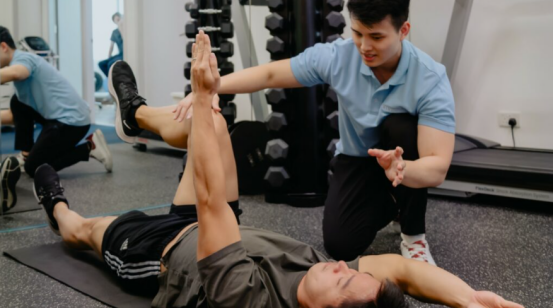
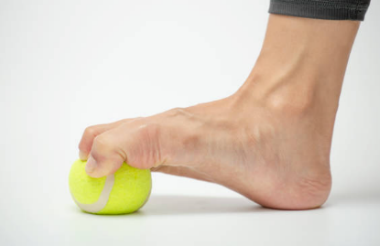
Stretching massage: Stretching targets the plantar fascia and calf muscles. When standing, lift your foot back and feel the stretch, hold for 30-60 seconds, and repeat with a different foot; Or sit on the chair, grab your toes and pull towards your body, and do the same operation. Massage with a tennis ball or foot massage ball, rolling on the sole of the foot, focusing on the painful area, 10-15 minutes each time, 1-2 times a day, relaxing the fascia and muscles, and improving blood flow.
Orthopedic equipment assistance
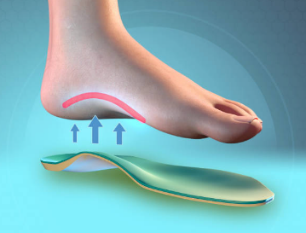
Arch support insoles: Many patients’ illnesses are related to arch abnormalities (such as flat feet and high arch feet). The arch support insole can provide additional support to the arch, disperse plantar pressure, and reduce fascial tension. When choosing, you can consult a doctor or podiatrist based on the arch type and shoe style to select a suitable and supportive foot. There are many products made of silicone, polyurethane materials, etc.
Nighttime splint: suitable for patients with severe morning pain. Nighttime splints can maintain foot extension during sleep, prevent fascia adhesion, and alleviate morning pain. Wear it correctly according to the instructions to ensure a secure and comfortable fit. Wear it before bedtime and gradually reduce the wearing time under the guidance of a doctor depending on the pain relief.
Drug treatment
Non steroidal anti-inflammatory drugs (NSAIDs): such as ibuprofen, naproxen, etc., can reduce inflammation, pain, and alleviate fascial inflammation. Follow the doctor’s advice to take according to the dosage and course of treatment. Short term use has high safety, while long-term or excessive use may cause gastrointestinal discomfort and liver and kidney function damage. Pay attention to physical reactions when taking medication.
Corticosteroid injection: When conservative treatment is ineffective, doctors may consider it. Its anti-inflammatory effect is strong, and injection into the painful area can quickly reduce inflammation and relieve pain, but it is not suitable for all patients, and there is a risk of local tissue atrophy, infection, etc. Before injection, the doctor will comprehensively evaluate the condition and physical condition, and after injection, rest according to the doctor’s advice and observe the injection site.
Rehabilitation training: Consolidate therapeutic effects, prevent recurrence
Foot muscle strengthening training
Strengthening foot muscles can better support the plantar fascia. Common exercises include grabbing towels with toes, holding the towel for 5-10 seconds, and repeating 10-15 times after relaxation; Practice on tiptoe, stand on both feet, hold on tiptoe for 3-5 seconds, and repeat 10-15 times after lowering. Consistent exercise can enhance the strength of the plantar and calf muscles and improve foot stability.
Balance Training
Balance training can improve foot stress, correct poor gait, and reduce the risk of fascial injury. Single legged standing exercises can improve balance ability, gradually extending from short-term standing to over 30 seconds; You can also use balance boards and balance balls to practice moving, standing, and walking on them to prevent other sports injuries.
Surgical treatment: the final choice
In rare cases, when conservative treatment and rehabilitation training are ineffective and the pain seriously affects daily life and work, surgery may be considered, such as plantar fascia release surgery, which involves cutting off part of the fascia to reduce tension. However, there is a risk of infection and nerve damage during surgery, and the recovery time after surgery is long. Usually, when other methods are ineffective, it is carefully evaluated and decided by the doctor. After surgery, it is necessary to strictly follow the doctor’s advice for rehabilitation training, promote wound healing, and restore foot function.
The treatment of plantar fasciitis requires a comprehensive selection of methods based on individual conditions, and adherence to treatment and rehabilitation training. If there are any questions or changes in the condition during treatment, consult a doctor in a timely manner to adjust the plan. Through scientific treatment and active rehabilitation, it is possible to relieve pain and regain healthy feet.
https://www.cdeide.com/the-ultimate-guide-to-sports-injury-rehabilitation-and-exercise-recovery/