https://www.cdeide.com/the-ultimate-guide-to-sports-rehabilitation-recovery-performance/
In daily life, people often have a vague understanding of the concept of “rehabilitation”. For example, after knee joint surgery and physical therapy, patients find it difficult to return to the field, which is due to the significant difference between regular rehabilitation and sports rehabilitation. Ordinary rehabilitation aims to restore basic living abilities, while sports rehabilitation focuses on rebuilding specialized motor functions. Data shows that the secondary recurrence rate of ordinary rehabilitation after sports injuries is 42%, while sports rehabilitation is only 17%. Let’s take a look at their key differences below.
1、 Definition and Core Concepts
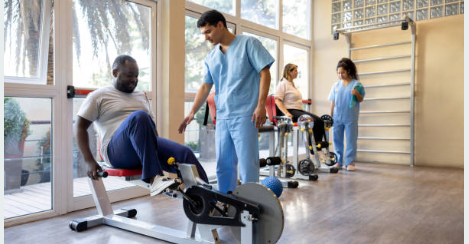
The core of ordinary rehabilitation is to help patients restore basic living abilities, using passive treatment to relieve pain, usually carried out 3-6 months after the acute phase, such as helping fracture patients recover self-care. The core of sports rehabilitation is to rebuild specialized sports functions, actively train and reshape the body throughout the entire process, plan training for athletes from the moment of injury, and help them return to the track.
| Dimension | Ordinary rehabilitation | Exercise rehabilitation |
| Core objective: | Restore basic living abilities | Rebuild specialized sports functions |
| Philosophy of Therapy: | Passive Therapy (Relieving Pain) | Active Training (Functional Remodeling) |
| Time window | 3-6 months after the acute phase | Throughout the entire injury process |
2、 Applicable audience and scenario
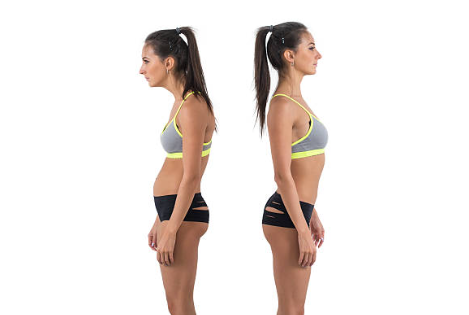
Ordinary rehabilitation is the main approach for early postoperative inflammation control, maintenance of degenerative diseases in the elderly, and basic recovery of neurological injuries, such as relieving knee degenerative pain and maintaining mobility in the elderly. Sports rehabilitation has obvious advantages in athletes’ return to the field, posture correction, and treatment of chronic pain sources, such as helping athletes recover quickly after ankle sprains and correcting long-term hunchback posture.
3、 Treatment methods
Physical therapy such as hot compress, electrotherapy, ultrasound, etc. are commonly used in ordinary rehabilitation, combined with NSAIDs or hormone drugs, and assisted by protective gear and crutches. Sports rehabilitation first involves screening movement patterns through FMS, using centrifugal training to prevent re injury, improving muscle control through PNF technology, and conducting biomechanical analysis through 3D gait and electromyography monitoring to develop precise plans.
4、 Cycle, Cost, and Effectiveness
The regular rehabilitation cycle is relatively fixed and has low short-term costs, but the high recurrence rate leads to high long-term rehabilitation costs, which are measured by pain VAS scores. Sports rehabilitation is flexibly planned in stages, and evaluated through professional indicators such as muscle symmetry index and explosive recovery rate, to more comprehensively reflect the recovery of physical function.
5、 Professional team
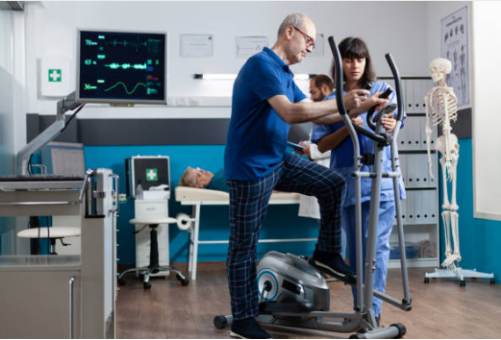
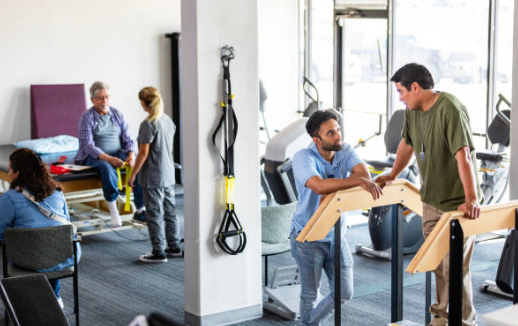
The regular rehabilitation team is composed of rehabilitation doctors and physical therapists, relying on physical therapy equipment and medication to evaluate joint mobility and pain scales. The core of the sports rehabilitation team consists of sports medicine doctors and fitness coaches, equipped with force tables, high-speed cameras, muscle bone ultrasound and other equipment, and accurately evaluated using Y-balance tests and isokinetic muscle strength tests.
| Role | Regular Rehabilitation Team | Sports Rehabilitation Team |
| Core members | Include rehabilitation doctors, physical therapists | Sports medicine doctors, and fitness coaches |
| Technical equipment | Includes physical therapy instruments,medication tables | High-speed cameras, and musculoskeletal ultrasound |
| Effect evaluation | Joint range of motion/pain scale | Y balance test/isokinetic muscle strength test |
6、 Typical case
Ankle sprain, regular rehabilitation with immobilization, physical therapy, and ankle protection, with a recurrence rate of 38% after 6 months; Proper handling of the acute phase of exercise rehabilitation, followed by balance training and strengthening of centrifugal force, resulted in a recurrence rate of only 9%. Lumbar disc herniation requires traction and painkillers for general rehabilitation, with a 2-year surgical rate of 27%; Through core stability training and motor pattern reconstruction, the surgical rate of sports rehabilitation has been reduced to 6%.
7、 Rehabilitation program selection
If there is a need for specialized exercise, or if the injury has not healed for more than 3 months, or if there is a compensatory mode of movement, exercise rehabilitation is more suitable. The current trend of integrated therapy is to control inflammation through regular rehabilitation during the acute phase, and to enhance function through intervention in exercise rehabilitation during the recovery phase. Understanding the differences between the two can help us choose the right rehabilitation method when we are injured or sick, and return to a healthy lifestyle.
https://www.cdeide.com/the-ultimate-guide-to-sports-rehabilitation-recovery-performance/