https://www.cdeide.com/the-ultimate-guide-to-sports-injury-recovery-fascia-guns-hot-cold-therapy-and-lifestyle-factors/
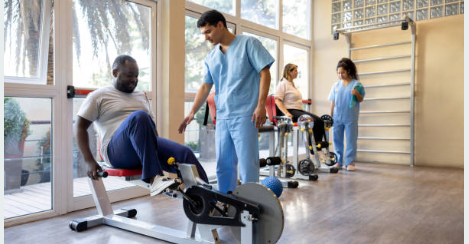
After sports injuries or accidental injuries, many people may use alcohol to relieve stress or relax their body and mind. However, the latest research suggests that drinking alcohol not only does not benefit recovery, but may also become a “stumbling block” to the recovery process. This article will analyze from a scientific perspective how alcohol hinders body repair and helps injured individuals make wiser choices.
1、 How does alcohol slow down damage recovery? Unveiling the Four Major Mechanisms
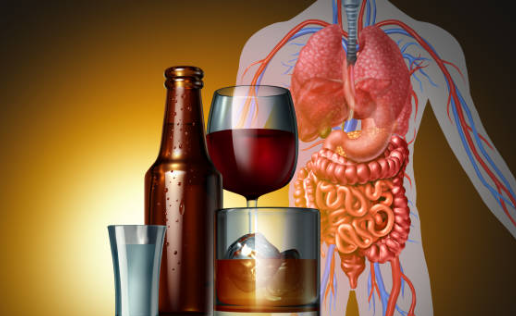
1. Intensify blood coagulation and swelling
Alcohol can interfere with the body’s coagulation function and prolong blood clotting time. For injured areas such as muscle strains and fractures, failure to clot blood in a timely manner may lead to increased bleeding, exacerbating swelling and inflammation. In addition, alcohol can dilate blood vessels, allowing more blood to flow to the injured area, further exacerbating swelling and prolonging the time for tissue repair.
2. Lactic acid accumulation: a catalyst for muscle fatigue
Lactic acid is produced during alcohol metabolism, and excessive accumulation of lactic acid in muscles can cause fatigue, soreness, and even spasms. For injured muscles or soft tissues, the accumulation of lactic acid not only exacerbates pain, but also interferes with the normal repair process of cells, resulting in a slower recovery rate.
3. Diuretic effect: a chain reaction caused by dehydration
Alcohol has a significant diuretic effect, which can cause the body to urinate heavily and lead to dehydration. Dehydration can reduce the water content of muscles, affect their elasticity and function, and increase the risk of cramps. Meanwhile, dehydration can weaken the immune system, making it harder for the body to resist infections and further hindering wound healing.
4. Inhibit muscle repair: growth hormone ‘inhibitor’
Clinical studies have confirmed that alcohol can inhibit the secretion of human growth hormone (HGH) by up to 70%. Growth hormone is a key substance that promotes muscle repair and regeneration. A decrease in its level can directly delay the recovery of muscle injuries, leading to slow recovery of strength in the injured and even increasing the risk of re injury.
2、 Scientific advice: Why must one stay away from alcohol after injury?
1. Accelerate swelling resolution: Avoiding alcohol can reduce blood vessel dilation, lower the risk of bleeding and swelling, and allow the injured area to enter the repair stage faster.
2. Reduce metabolic burden: Not drinking alcohol can prevent lactate accumulation, alleviate muscle fatigue, and provide a more favorable internal environment for cell repair.
3. Maintain body water balance: Avoid dehydration to maintain normal muscle and tissue function, promote nutrient transport, and eliminate metabolic waste.
4. Optimize hormone levels: Stopping alcohol consumption can restore growth hormone secretion, accelerate muscle repair, and help the injured recover their exercise ability faster.
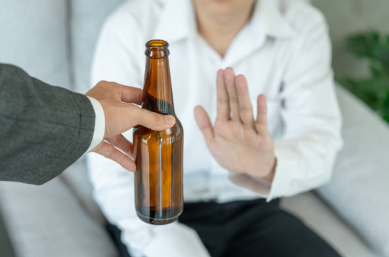
3、 Special situation: coping strategies for alcohol addicts
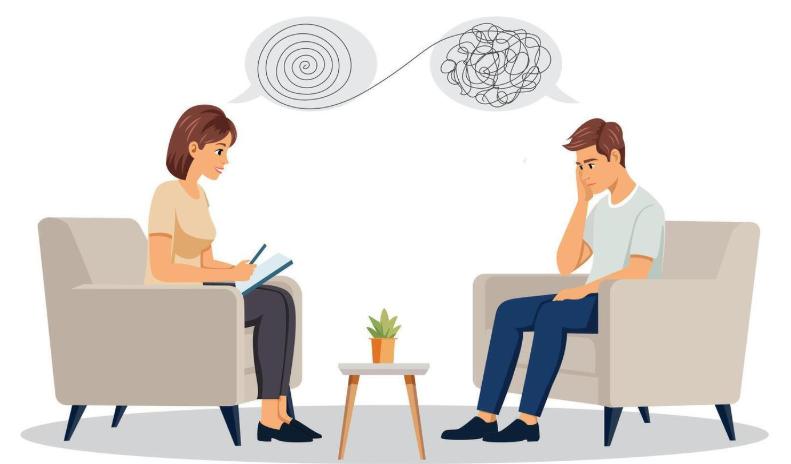
If the injured person is dependent on alcohol, they should seek professional help in a timely manner. Doctors or rehabilitation experts can provide personalized treatment plans, including:
Psychological interventions, such as cognitive-behavioral therapy (CBT) and motivational enhancement therapy, help patients adjust their dependence on alcohol.
Medication assistance: When necessary, doctors may prescribe medication to alleviate withdrawal symptoms and reduce the risk of relapse.
Social support: Understanding and encouragement from family and friends are important supports for rehabilitation, which can assist patients in establishing healthy lifestyle habits.
conclusion
The negative effects of alcohol on injury recovery have been scientifically proven, from exacerbating swelling to inhibiting muscle repair, each mechanism can make the road to recovery long. For the injured, temporarily quitting drinking is not only responsible for the body, but also the key to accelerating recovery. If drinking habits are difficult to quit, it is important to seek professional help and let the power of science help you return to health. Remember, true recovery starts with every correct choice.
https://www.cdeide.com/the-ultimate-guide-to-sports-injury-recovery-fascia-guns-hot-cold-therapy-and-lifestyle-factors/